

The Hidden Cost of Poor Visibility in Industrial Operations
In industrial environments, what you can’t see is often what costs the most.
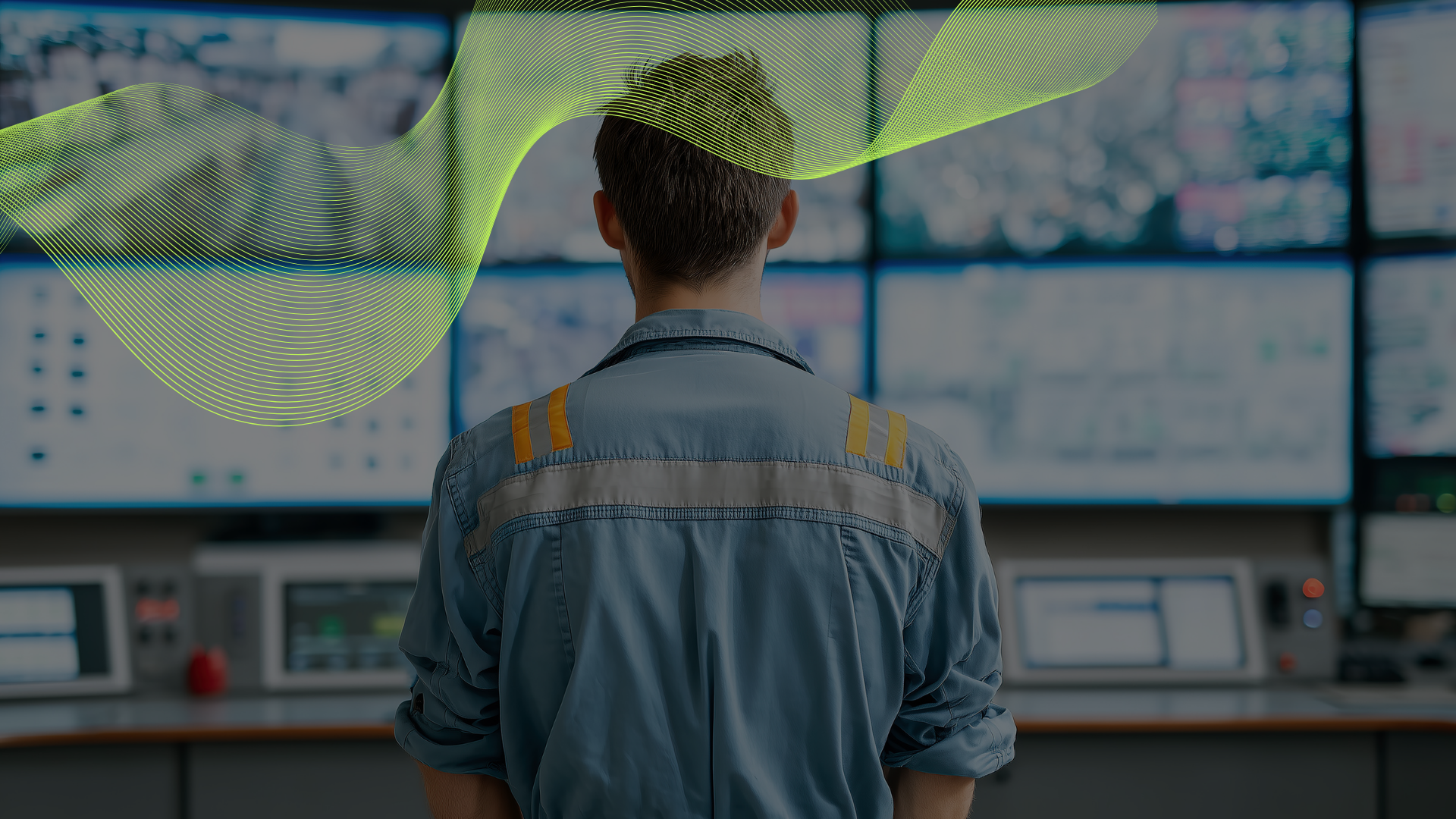
The hidden cost of poor visibility in industrial operations refers to the cascading risks and losses that occur when facility managers and safety teams lack real-time visibility across large, complex environments such as manufacturing plants and warehouses.
Why Manual Monitoring Doesn’t Scale Across Retail Stores
Manual video monitoring is a legacy approach that fundamentally breaks down as a retail business grows. What works for a single flagship store quickly becomes ineffective when a brand scales to dozens, or hundreds, of outlets.
As store count increases, the volume of video data doesn’t just grow linearly. It becomes a mathematical impossibility for human teams to manage effectively. The result? Less visibility, more blind spots, and insights that arrive only after problems have already happened.
Why Safety Issues in Industrial Sites Are Often Discovered After an Incident
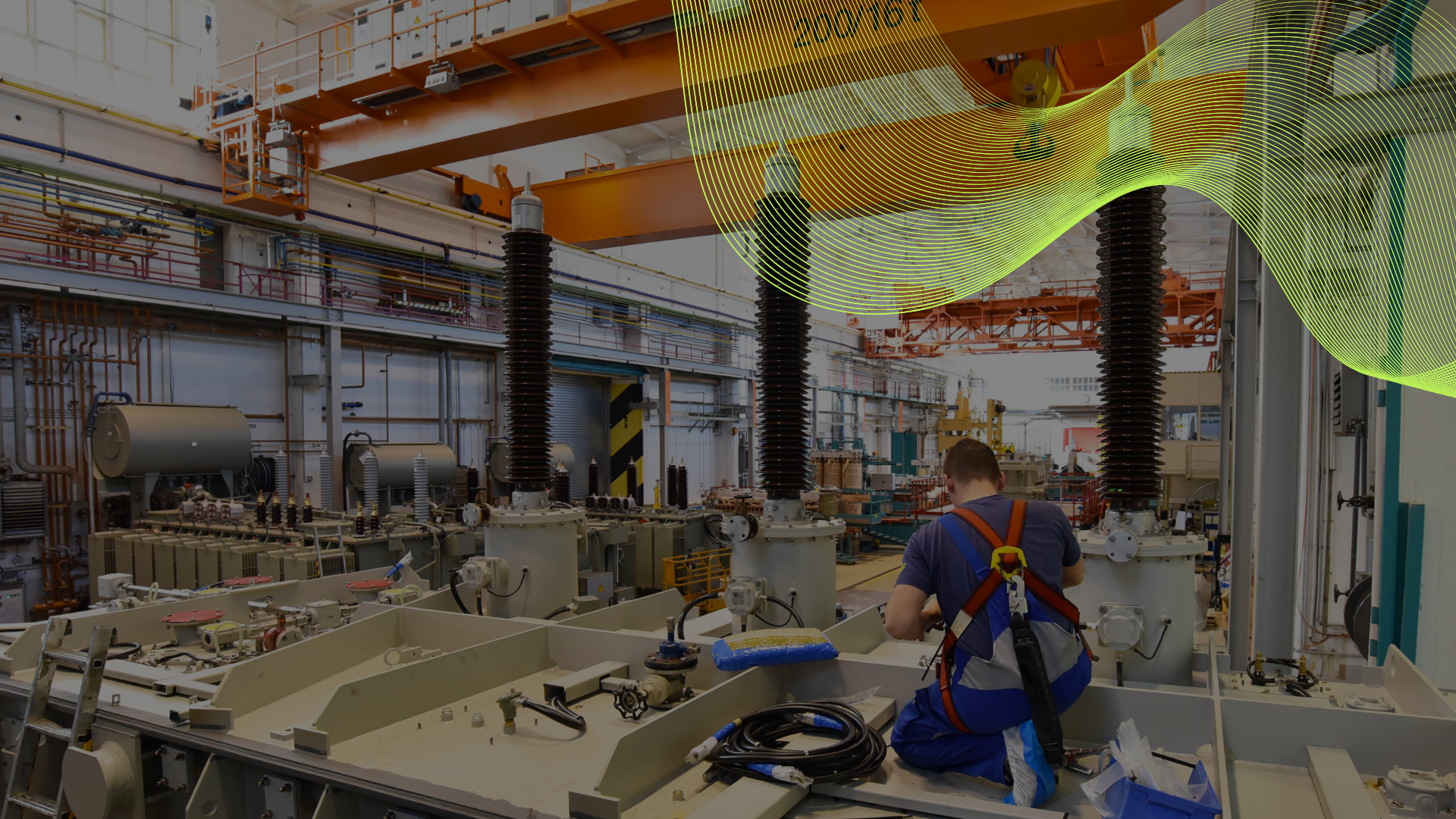
In industrial environments such as factories, warehouses, and construction sites, safety is a top priority, yet many safety issues are still only discovered after an incident has already occurred. Near misses, injuries, and operational disruptions often reveal problems that had been present for days, weeks, or even months.
So why does this keep happening?

Why Retail Teams Only Discover Theft After It Has Already Happened
Retail theft is rarely discovered the moment it occurs. Instead, most teams only realise something is wrong weeks, or even months, after the loss has already hit the bottom line. This isn’t because retailers don’t care about loss prevention. It’s because traditional retail systems are built to look backward, not forward.

The Visibility Problem in Physical Spaces (and How Vision AI Solves It)
For years, businesses have relied on transactional data to understand customers—what they buy, when they buy, and how much they spend. But in physical spaces like retail stores, malls, airports, and service centres, most customer interactions happen before a transaction ever takes place

Why Manual SOP Monitoring Is Failing — and What It’s Costing You
For decades, organisations have relied on supervisors, checklists, and periodic audits to ensure teams follow Standard Operating Procedures (SOPs). On paper, this sounds sufficient. In reality, manual SOP monitoring is breaking under modern operational complexity — and the consequences are becoming impossible to ignore.
Turn Your CCTV Into Something You Can Search Like Google
For years, CCTV systems have worked the same way: record everything, store it, and leave the rest to you. When an incident happens, someone has to manually scrub through hours of footage, pin-point a few seconds of relevance, and hope they don’t miss anythinearning, higher accuracy, and flexible performance across industries.